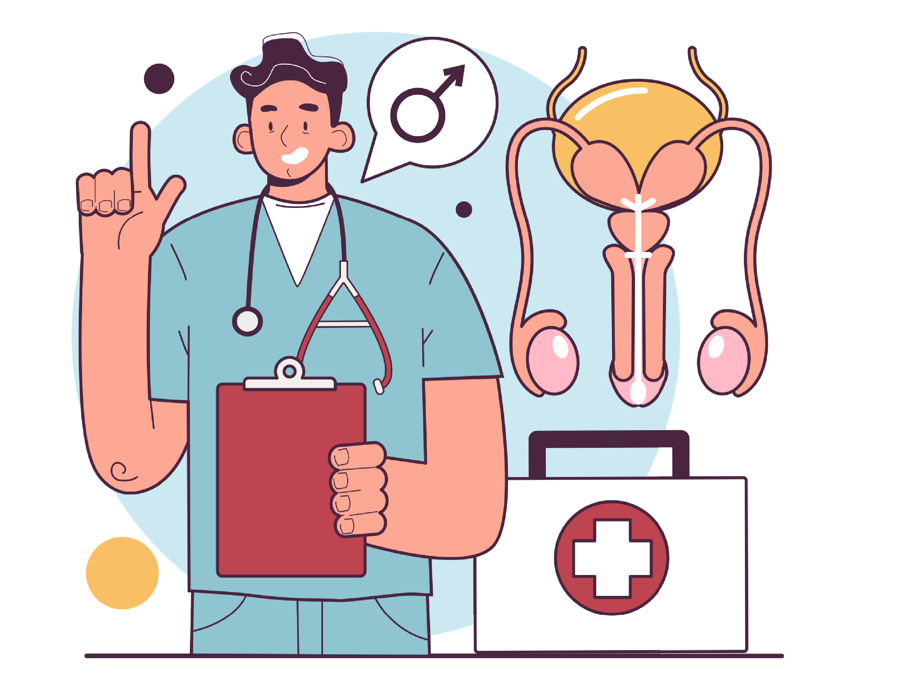
Hypogonadism (Delayed Puberty)
Hypogonadism refers to a condition in which the sex glands (testes in boys and ovaries in girls) produce little or no hormones. This can result in delayed puberty, affecting physical development, growth, and overall health.
Types of Hypogonadism
- Primary Hypogonadism: The problem originates in the gonads themselves (testes or ovaries).
- Secondary Hypogonadism: Caused by a problem in the pituitary gland or hypothalamus, which regulate the gonads.
Common Causes
- Genetic disorders (e.g., Turner syndrome, Klinefelter syndrome)
- Chronic illnesses or malnutrition
- Hormonal imbalances (pituitary or hypothalamic dysfunction)
- Injury or infection affecting gonads or brain regions controlling puberty
- Certain medications or radiation therapy
Common Symptoms
- Absence of breast development in girls by age 13
- Absence of testicular enlargement in boys by age 14
- Delayed growth spurt
- Minimal or absent pubic and underarm hair
- Low energy or reduced muscle mass
- Possible infertility in adulthood
Evaluation & Diagnosis
- Detailed medical and family history
- Physical examination and growth assessment
- Blood tests to measure hormone levels (LH, FSH, testosterone, estrogen)
- Imaging studies (ultrasound of gonads, MRI of pituitary if needed)
- Genetic testing in suspected syndromes
Treatment & Management
- Hormone replacement therapy (testosterone for boys, estrogen/progesterone for girls)
- Addressing underlying medical conditions
- Regular monitoring of growth, development, and bone health
- Psychological support and counseling for delayed puberty
- Lifestyle measures: balanced diet, exercise, and healthy habits
Early diagnosis and treatment can help children with hypogonadism achieve normal puberty and improve overall health. Dr. Vipin Singhal provides specialized care for delayed puberty and hormonal disorders, focusing on personalized treatment and long-term follow-up.