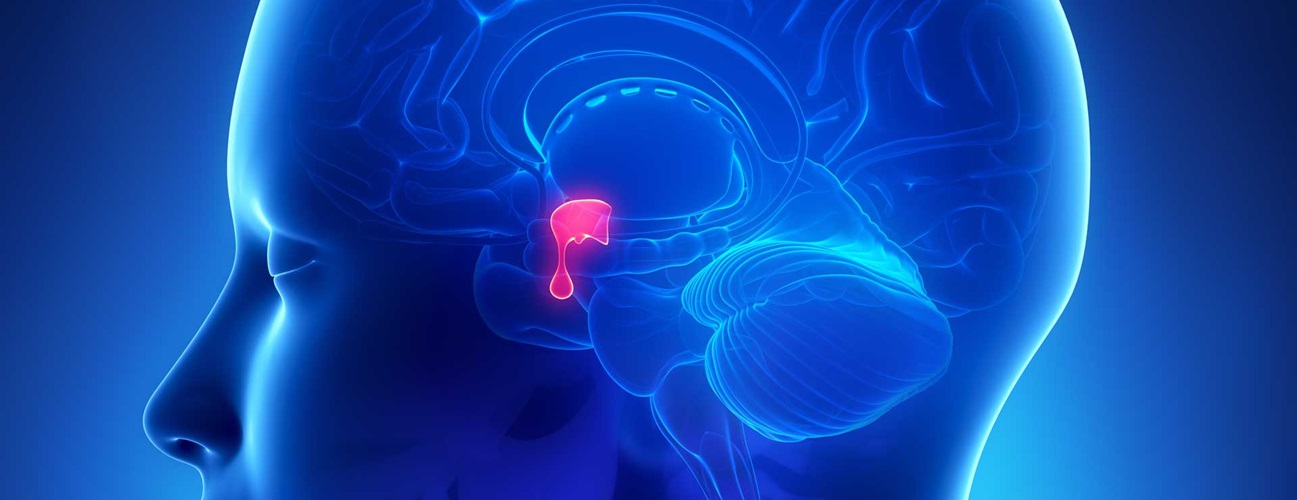
Pituitary Disorders
Pituitary Disorders occur when the pituitary gland, a small gland at the base of the brain, produces too much or too little of certain hormones. This can affect growth, metabolism, reproduction, and overall health.
Common Types of Pituitary Disorders
- Growth Hormone Deficiency: Leads to short stature in children or decreased muscle mass in adults.
- Acromegaly / Gigantism: Excess growth hormone causing enlarged hands, feet, or excessive height.
- Hyperprolactinemia: High prolactin levels causing irregular periods, infertility, or galactorrhea.
- Adrenal or Thyroid Axis Disorders: Pituitary dysfunction affecting adrenal or thyroid hormone production.
- Hypopituitarism: Partial or complete deficiency of multiple pituitary hormones.
Common Causes
- Pituitary tumors (adenomas)
- Genetic or congenital abnormalities
- Head trauma or brain surgery
- Radiation therapy
- Inflammatory or infectious conditions
Common Symptoms
- Abnormal growth patterns in children or adults
- Fatigue and weakness
- Irregular menstrual cycles or infertility in women
- Sexual dysfunction in men
- Changes in vision or headaches (if tumor compresses optic nerves)
- Unexplained weight changes
Evaluation & Diagnosis
- Medical and family history assessment
- Physical examination
- Blood tests to measure hormone levels
- Imaging studies (MRI of the pituitary gland)
- Specialized stimulation or suppression hormone tests
Treatment & Management
- Medications to correct hormone imbalances
- Surgical removal of pituitary tumors if indicated
- Radiation therapy in selected cases
- Hormone replacement therapy for deficiencies
- Regular monitoring of hormone levels and symptoms
- Supportive care and lifestyle modifications
Early diagnosis and treatment of pituitary disorders can restore hormonal balance, improve growth, and maintain overall health. Dr. Vipin Singhal provides expert care for pituitary disorders, focusing on accurate diagnosis, individualized treatment, and long-term follow-up.